Pharmaceutical rubber stoppers are sealing components used to safely close vials and bottles, protecting drugs from contamination.
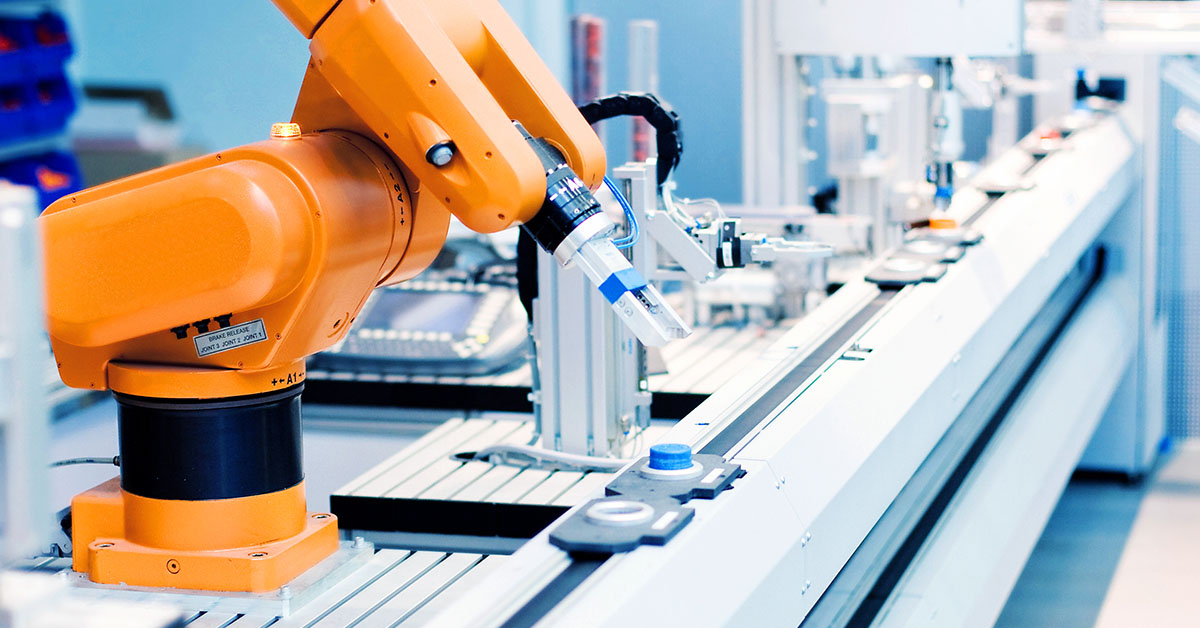
A type of rubber stopper, septa closures are highly relevant for medical laboratory automation, in which robotic technology is used to speed up and standardise laboratory tasks.
While it boosts efficiency and accuracy, automation demands closures that are highly consistent, durable, and contamination resistant. Any variation in elastomeric stoppers can compromise sterility.
Ensuring pharmaceutical safety
By combining polymer-based materials, such as Versiv PTFE Cast films, with elastomers, it is possible to manufacture reliable inert sealings that protect drug formulations from interaction with the closure itself, as well as degradation and leakages.
Versiv PTFE barrier solutions provide:
- Advanced Surface Treatment: Versiv applies high-quality etching and surface treatments to one or both sides of the film, ensuring robust bonding between the protective PTFE layer and the elastomer support. This bond is vital for preventing delamination and maintaining seal integrity.
- Customisable Barrier Layers: Versiv can add FEP or PTFE layers to boost chemical resistance and mechanical durability, allowing clients to tailor closures to their exact needs.
- Conformability: These PTFE cast films adapt to complex pharmaceutical closure designs, reducing manufacturing defects.
- Ability to withstand temperature: The excellent thermal stability and operating temperature range make the material suitable for drug containers that must undergo lyophilisation (freeze drying) and heat sterilisation because stoppers do not stick.
Properties suited to automation:
Modern laboratories rely on automation to achieve speed, accuracy, and reproducibility. Versiv composite materials are specifically designed to meet these demands:
- Low Friction, High Purity: A PTFE surface minimises friction, allowing robotic sampling needles to penetrate smoothly and consistently. This reduces wear on both closures and equipment, helping to lower maintenance needs and minimise downtime.
- Reliable Performance: A secure bond between layers ensures consistent performance in automated liquid handling systems, where even small variations can affect results.