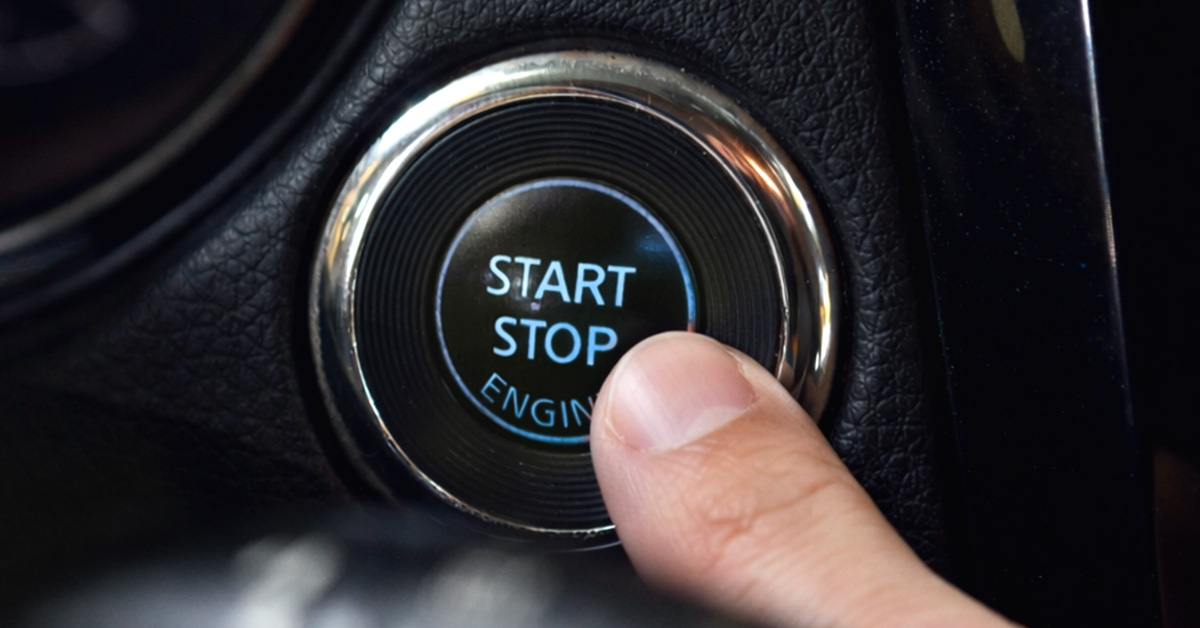
Starting a car engine requires a large amount of electrical power. However, ignition switches and start buttons can only handle a small electrical current - as they are small, precision components designed for control instead of power delivery.
If the ignition switch was connected directly to the engine starter, heavier design and thicker cabling would be required in order to deliver the voltage needed. Starter buttons would be bigger and keys would be stiffer, as the operation would be slower and less reliable, with increased fire risk and voltage drop.
The automotive starter solenoid solves this problem by acting as a bridge between low-power control signals and high-power electrical and mechanical action.
What Is a Solenoid?
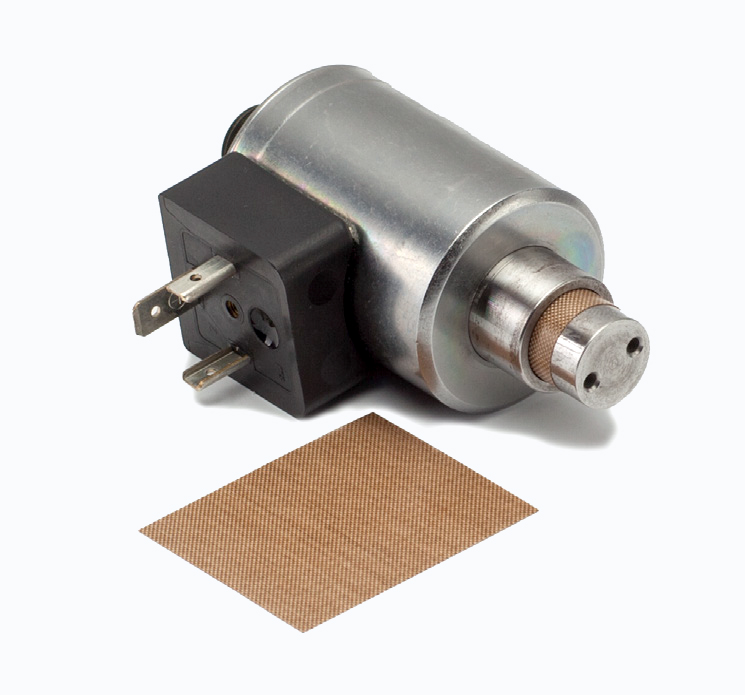
A starter solenoid is an electromagnetic switch mounted on or near the starter motor. Its main function is to connect the vehicle’s battery to the starter motor and engage the starter gear with the engine’s flywheel.
How does a solenoid work on a starter motor?
When the driver turns the ignition key or press the start button, the following sequence occurs:
- A small electrical current is sent to the starter solenoid
- The solenoid coil becomes energized, creating a magnetic field
- The magnetic field pulls an internal plunger forward
- This movement:
- Pushes the starter pinion gear into the flywheel
- Closes heavy-duty electrical contacts
- Battery power flows to the starter motor
- The starter motor cranks the engine
Once the engine starts and the ignition signal stops, the solenoid disengages the gear, preventing damage to the starter motor and flywheel.
Starter solenoids are designed to withstand harsh conditions such as high heat, vibration, and repeated high-current loads. Their robust construction allows them to perform reliably over thousands of engine start cycles, contributing to the overall durability of the vehicle’s starting system.
Protection of Engine and Electrical Components
The starter solenoid ensures that electrical power is delivered to the starter motor only after the pinion gear is fully engaged with the flywheel. This precise timing prevents gear grinding, electrical arcing, and premature wear.
Similarly, when the engine starts, the solenoid immediately cuts power and disengages the starter, protecting the system from overspeed and mechanical failure.
Without a solenoid, the starter motor could remain engaged too long or receive power at the wrong time. This could lead to severe damage, including stripped gears, burned wiring, or a destroyed starter motor.
The solenoid acts as a protective control device, ensuring the starter operates only under correct conditions and for a limited duration
Friction Control in Solenoids
While the electromagnetic force moves the plunger or armature, friction resists that motion. Managing friction is critical to reliable solenoid operation, especially in precision or high-cycle applications.
Friction in a solenoid primarily occurs between the moving plunger and the housing or guide bore. Additional resistance can come from return springs, guide surfaces, seals, and external linkages connected to the solenoid. Contamination, poor alignment, surface roughness, and corrosion can significantly increase friction levels.
Excessive friction reduces the effective output force of a solenoid, slows its response time, and can lead to inconsistent or delayed operation. In severe cases, friction may cause sticking or prevent the solenoid from fully actuating or releasing. To compensate, higher electrical power may be required, increasing heat generation and energy consumption.
Solenoid designers minimize friction through precise machining, careful alignment, smooth surface finishes, low-friction materials, and controlled lubrication. Sealing and contamination control are also critical, especially in automotive and industrial environments where dust, moisture, and temperature extremes are common.
Our Solution for Automotive Solenoids: Versiv Low Friction Linings
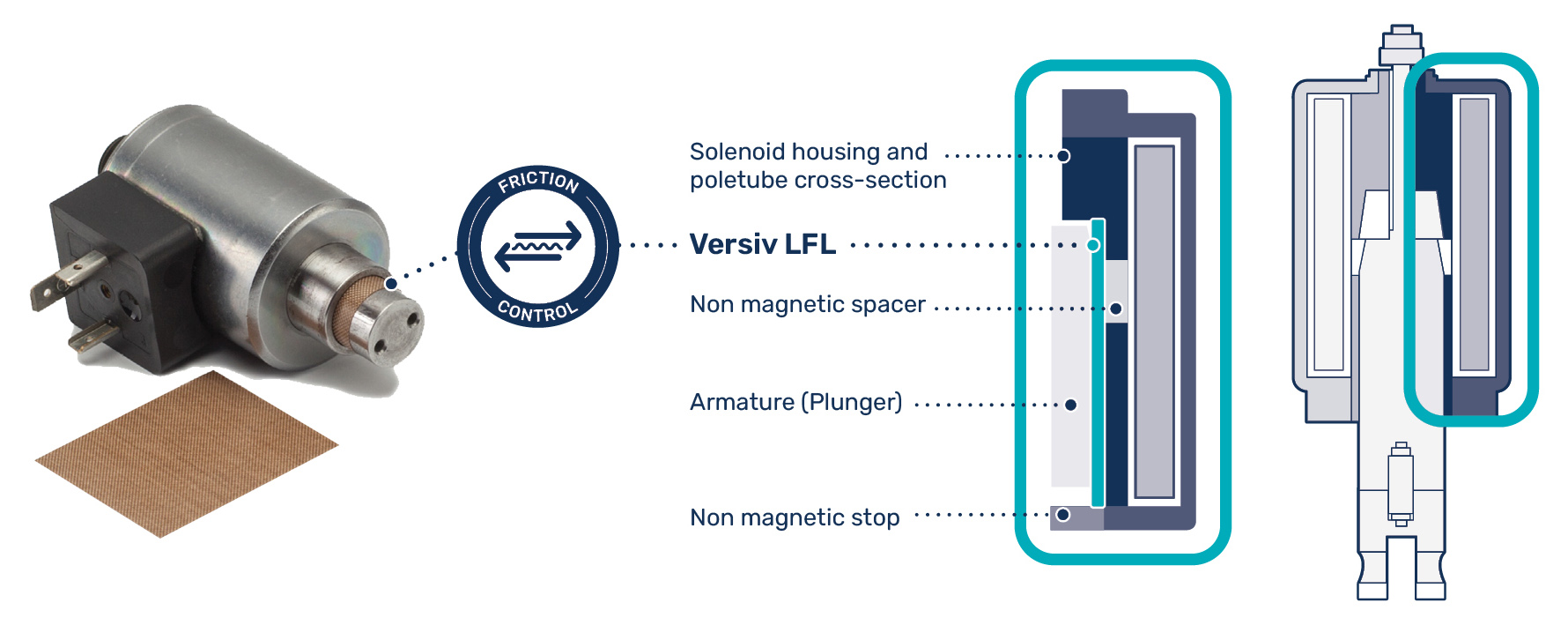
Versiv Low Friction Linings are advanced composites made out of fluoropolymers, with or without reinforcing fabrics.
Low friction linings are an elegant alternative for greases, oils or lubricants that wear out over time or need frequent "topping-up". They can also replace metallic coatings such as electroless nickel or chrome – that are expensive and difficult to obtain in consistent quality; or polymeric coatings such as PTFE on steel – which are often consumed before the device has reached its expected lifetime.
Versiv Low Friction Linings enhance solenoid performance by:
- Increasing actuation speeds
- Improving movement accuracy – lower hysteresis
- Reducing power requirements
- Minimising "slip-stick" effects – improved hysteresis
- Ensuring consistent movement in both directions
- Lowering noise levels generated by movement
Interested in learning more?
All of our products for this market are customised.
Please contact us to further discuss your requirements.